From Dependence to Self-Sufficiency: How Unkara redefines financial independence
Giuliana Inturrisi,
Abby Sun
Photographer
Julius Mwaura Kamau
Date
09/09/2023
Behind the low prices and rapidly changing trends of fast fashion are workers whose contributions are often undervalued. Across garment supply chains, women are disproportionately concentrated in low-paid jobs and face barriers to advancement, unequal pay, discrimination and workplace harassment.
Poverty, limited access to education, caregiving responsibilities and restrictive social norms can narrow women’s employment options. For those experiencing abuse at home or at work, a lack of financial resources can further limit their ability to seek safety or leave exploitative situations. Addressing these barriers requires access to decent work, fair compensation and greater control over the decisions that shape their lives.
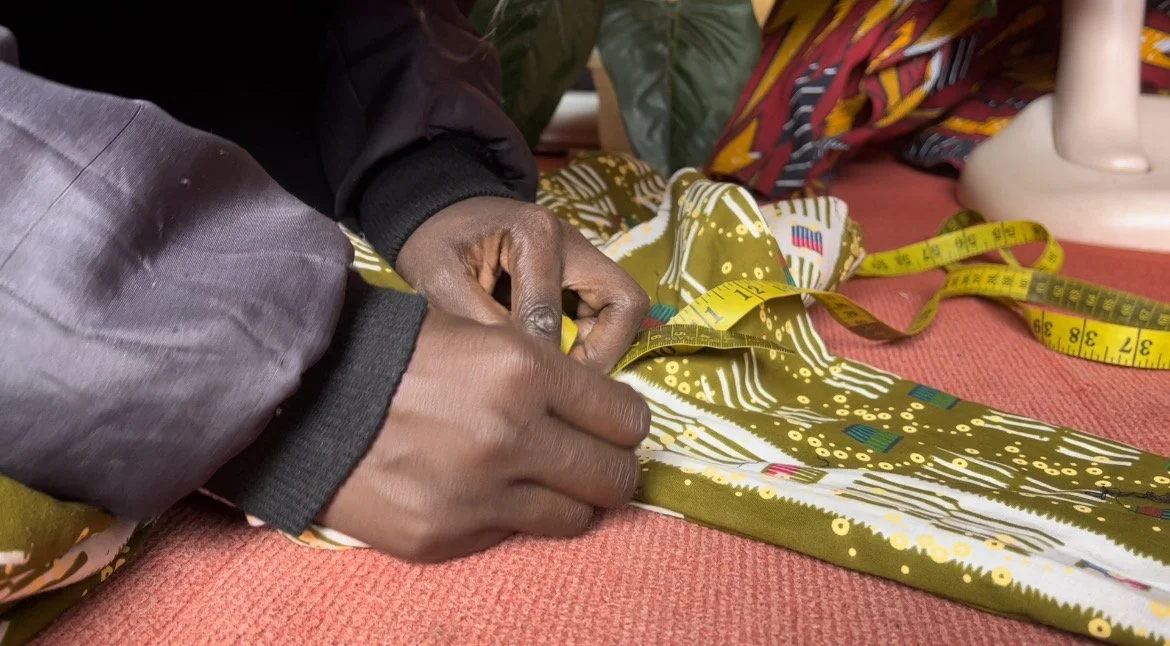
Founded in 2022, Unkara connects women’s sewing and garment-making skills with international customers who value quality, craftsmanship and cultural expression. Our model aims to create income opportunities for skilled makers while offering thoughtfully produced alternatives to disposable fashion.
As a nonprofit organization, we aim to provide livelihood training and a supportive working environment for women facing economic hardship, including survivors of abuse and violence. Through slow fashion, we seek to build opportunities that respect both workers’ rights and environmental limits.
Connecting craftsmanship with opportunity
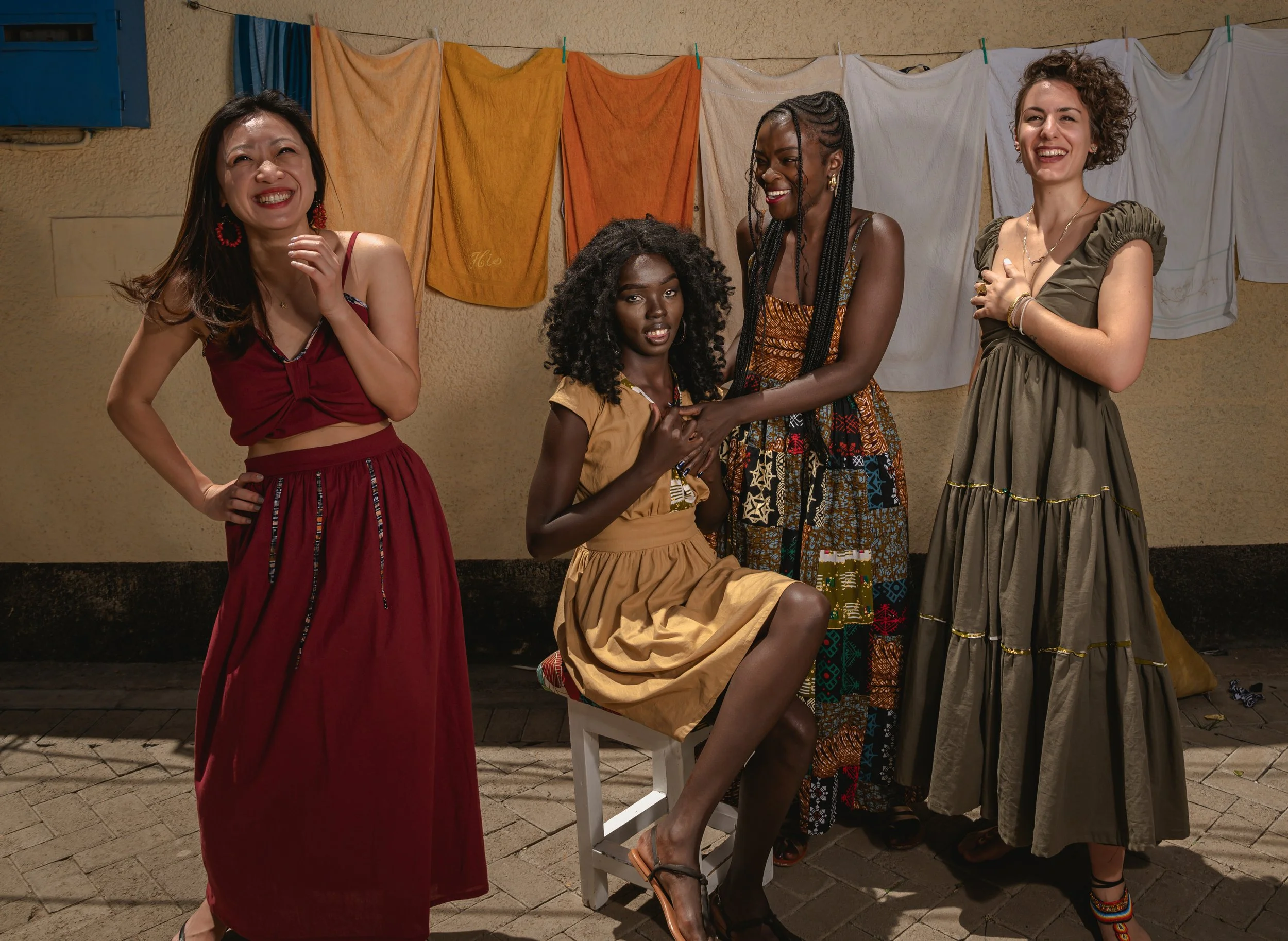
Turning income into greater choice
For Unkara, financial independence means more than earning money. It means having greater control over that income and more freedom to make decisions about work, family and the future.
Income alone cannot end violence or eliminate discrimination. But reliable earnings, practical skills and supportive working relationships can help expand women’s options and reduce financial dependence.
Our ambition extends beyond individual garments. We want to build a community of makers and customers who recognize the value of skilled labor and support a more responsible fashion industry.
Women already have skills, ambitions and the capacity to lead. Unkara’s role is to help remove barriers and connect those strengths with opportunities, so women can shape their own futures.