
Educating for Change: Unkara’s Advocacy for Consumer Awareness and Responsible Fashion Choices
Abby Sun
Date
09/21/2025
We increasingly question what we eat, how we travel, and where we live. Why shouldn't we apply the same thinking to what we wear?
As societies embrace healthier diets, cleaner transportation, and sustainable housing, fashion remains an overlooked part of our environmental footprint. We scrutinize food labels and consider the origins of our meals, yet rarely ask who made our clothes, what resources went into producing them, or where they end up after we discard them.
The consequences extend far beyond our wardrobes.
According to the United Nations Environment Programme (UNEP), the textile industry accounts for approximately 2% to 8% of global greenhouse gas emissions. Its environmental footprint includes intensive water consumption, chemical pollution, and growing textile waste. Meanwhile, the industry's prevailing business model encourages constant purchasing and disposal, often obscuring the human and environmental costs of production.
At Unkara, we believe the first step toward changing fashion is changing how we understand it.
Traditional environmental education often focuses on individual responsibility: buy less, recycle more, and choose sustainable products. While important, these actions address only part of a much larger system.
What happens to clothes after we donate them? Who bears the environmental costs of overproduction? Why do communities with relatively low levels of consumption often confront the consequences of global textile waste?
These questions are central to Unkara's educational philosophy.
Through our educational programs, which combine online learning with immersive, firsthand experiences, we connect young participants with designers, entrepreneurs, researchers, and community organizations pioneering circular economy solutions.
Moving beyond classroom discussions and locally focused approaches, participants gain firsthand exposure to global textile production systems, secondhand clothing markets, material innovation, and community-led solutions.
From examining textile waste systems in Nairobi to exploring circular design and regenerative practices in Paris and Milan, our programs encourage participants to understand sustainability as an interconnected economic, environmental, and social challenge.
We do not travel to solve problems for communities. We travel to learn from those already developing solutions.
Beyond Awareness: Education Through Experience
Consumer awareness matters, but awareness without agency rarely produces lasting change.
Unkara's theory of change begins with education, develops through firsthand experience, and aims to translate knowledge into informed choices, meaningful relationships, and sustained action.
We encourage participants to question marketing claims, understand product life cycles, recognize the value of craftsmanship, and consider the consequences of their purchasing decisions.
Our approach also extends beyond the journey. Through expert engagement and opportunities for continued mentorship, we seek to help emerging leaders develop ideas, build networks, and explore pathways toward environmental and social impact.
Ultimately, responsible fashion is not simply about replacing fast fashion with more expensive alternatives. It is about challenging a culture that equates constant consumption with progress.
Consumers have influence, but responsibility must also extend to businesses, policymakers, and the systems governing production and waste.
From Conscious Consumers to Informed Changemakers
Redefining the Value of Fashion
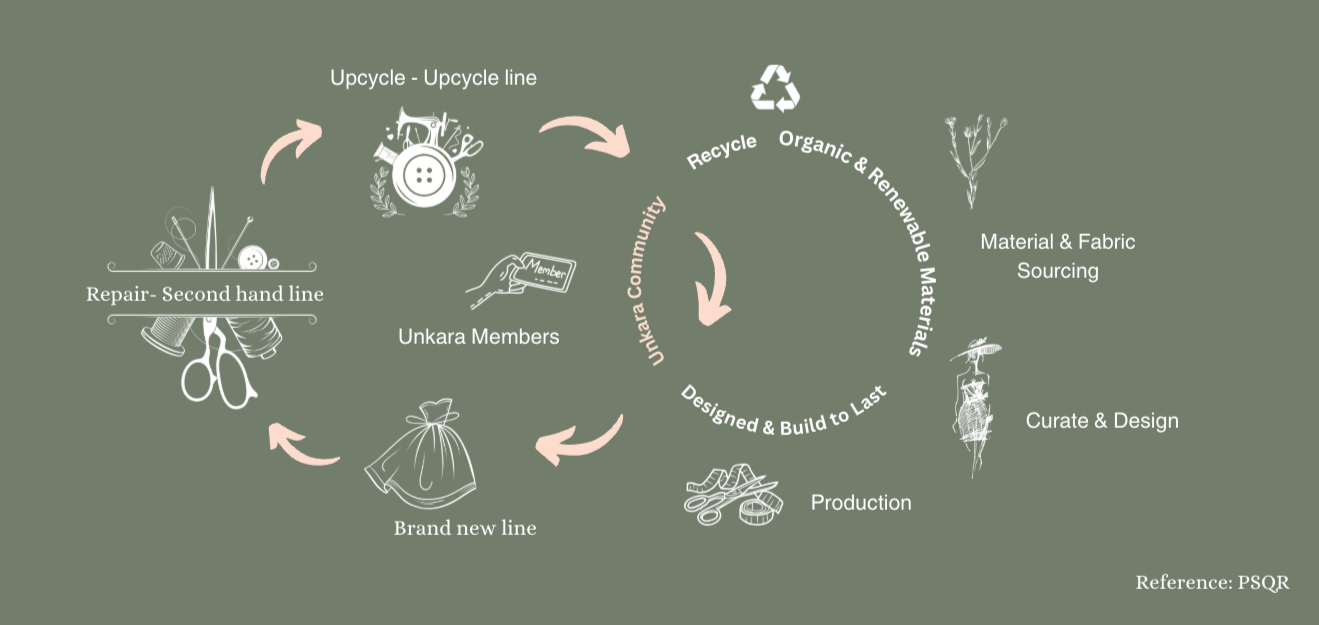
At Unkara, we envision a future where fashion reflects creativity without exploitation, where discarded materials become resources, and where communities have greater opportunities to participate in circular economies.
Education is how we begin building that future.
Because changing what we buy matters. Changing how we think about consumption matters even more.
Come curious. Leave with better questions.