At Unkara Fashion, we aim to address the practices that make the clothing industry unsustainable: overproduction, overconsumption, environmental pollution and the exploitation of workers. Our approach starts with a simple principle: clothing should be made with care, worn for longer and given a second life.
Fast fashion has normalized a cycle of buying, wearing and discarding. By rapidly reproducing runway trends at low prices, brands make fashionable clothing accessible while encouraging frequent purchases. Advertising and constantly changing collections reinforce the idea that a wardrobe must always contain something new. The result is a culture that treats clothing as cheap and disposable, with little attention to the resources and labor behind each garment.
To understand the consequences, we must look at the entire supply chain. Clothing production connects raw material suppliers, textile mills, factories, retailers and consumers across borders. Pressure to deliver garments quickly and cheaply can encourage suppliers to cut costs at the expense of working conditions and environmental protection. When safeguards are inadequate, communities bear the consequences of polluted waterways, contaminated soil and discarded textile waste.
The environmental impact of fast fashion;
How Unkara offers sustainable alternatives
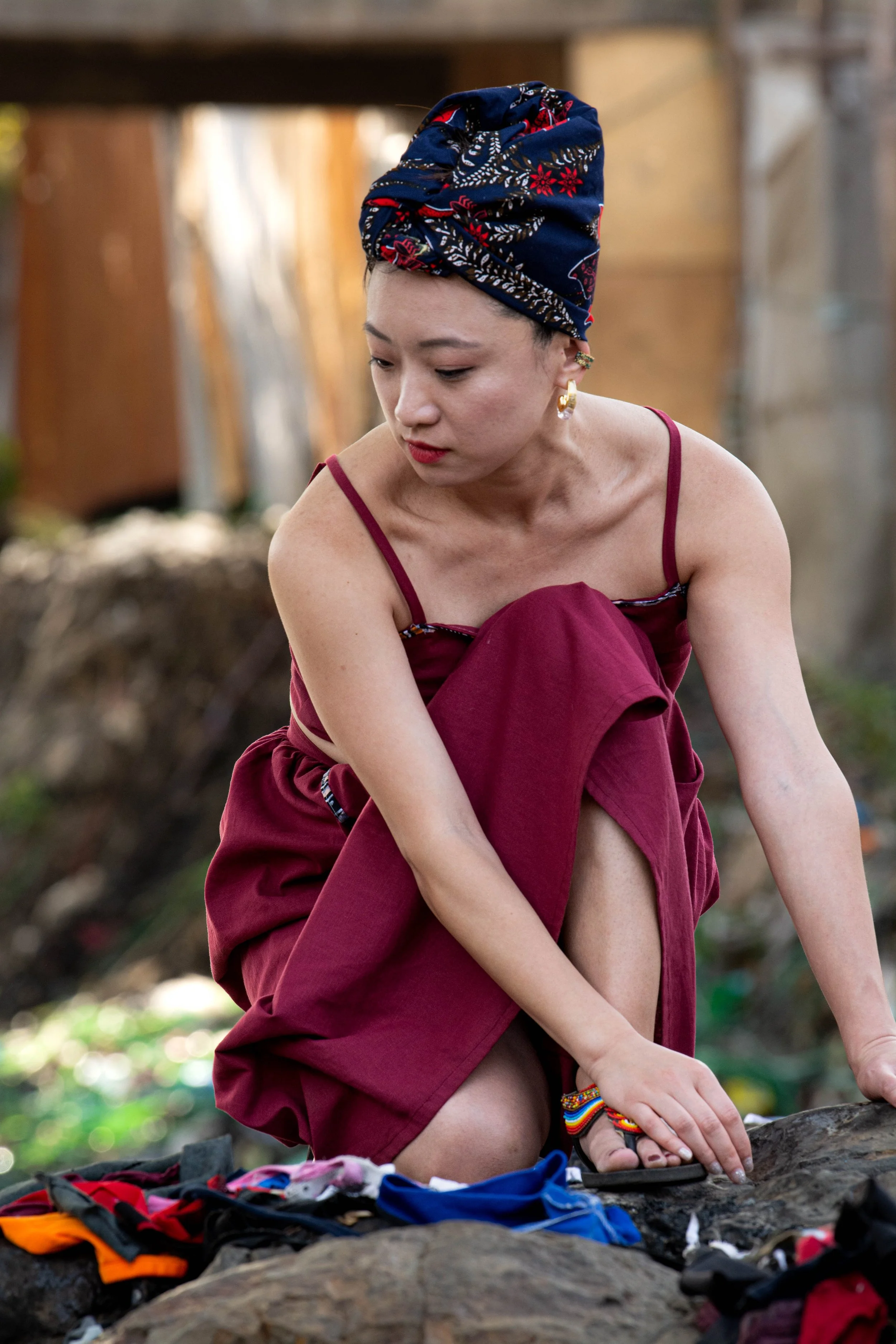
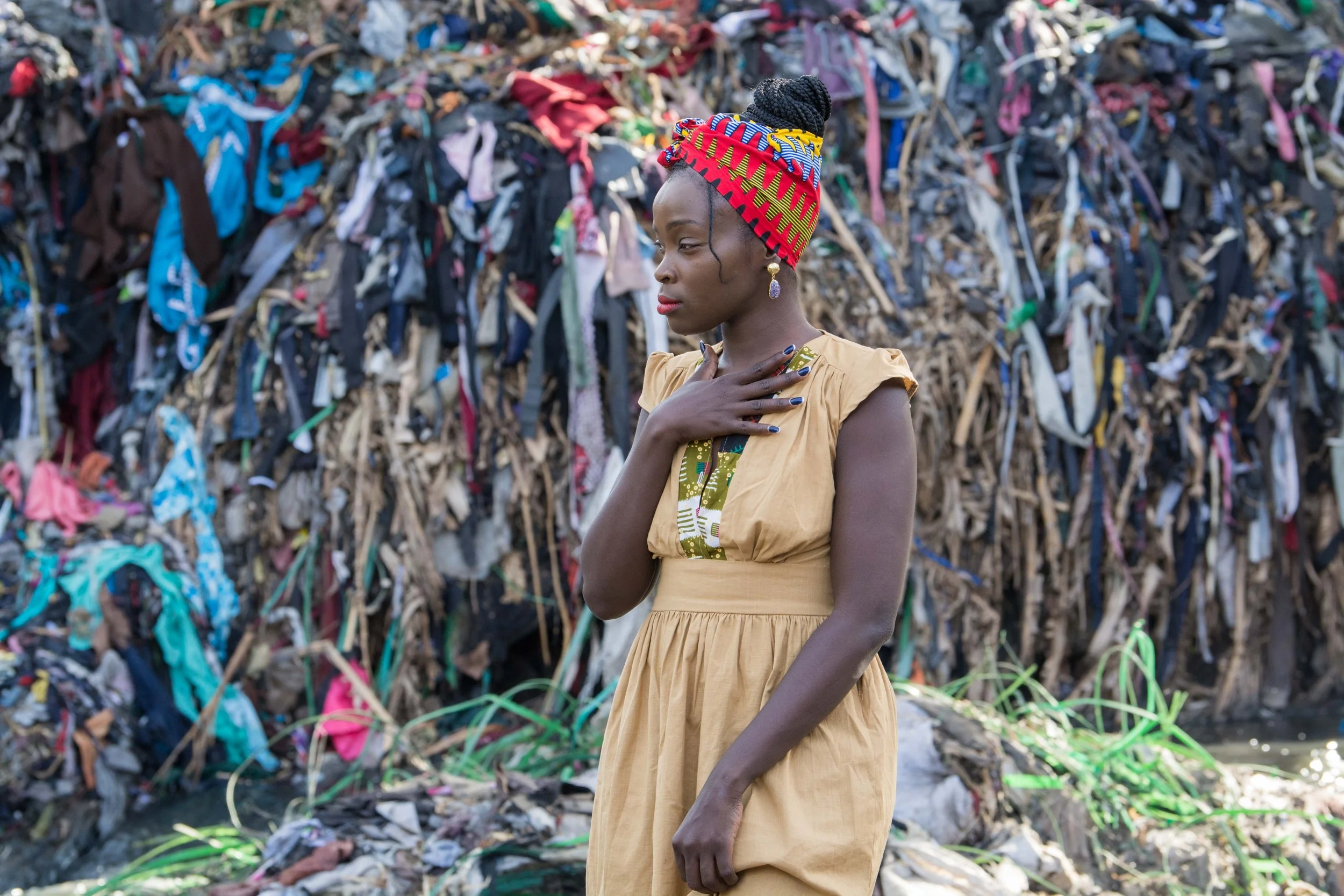
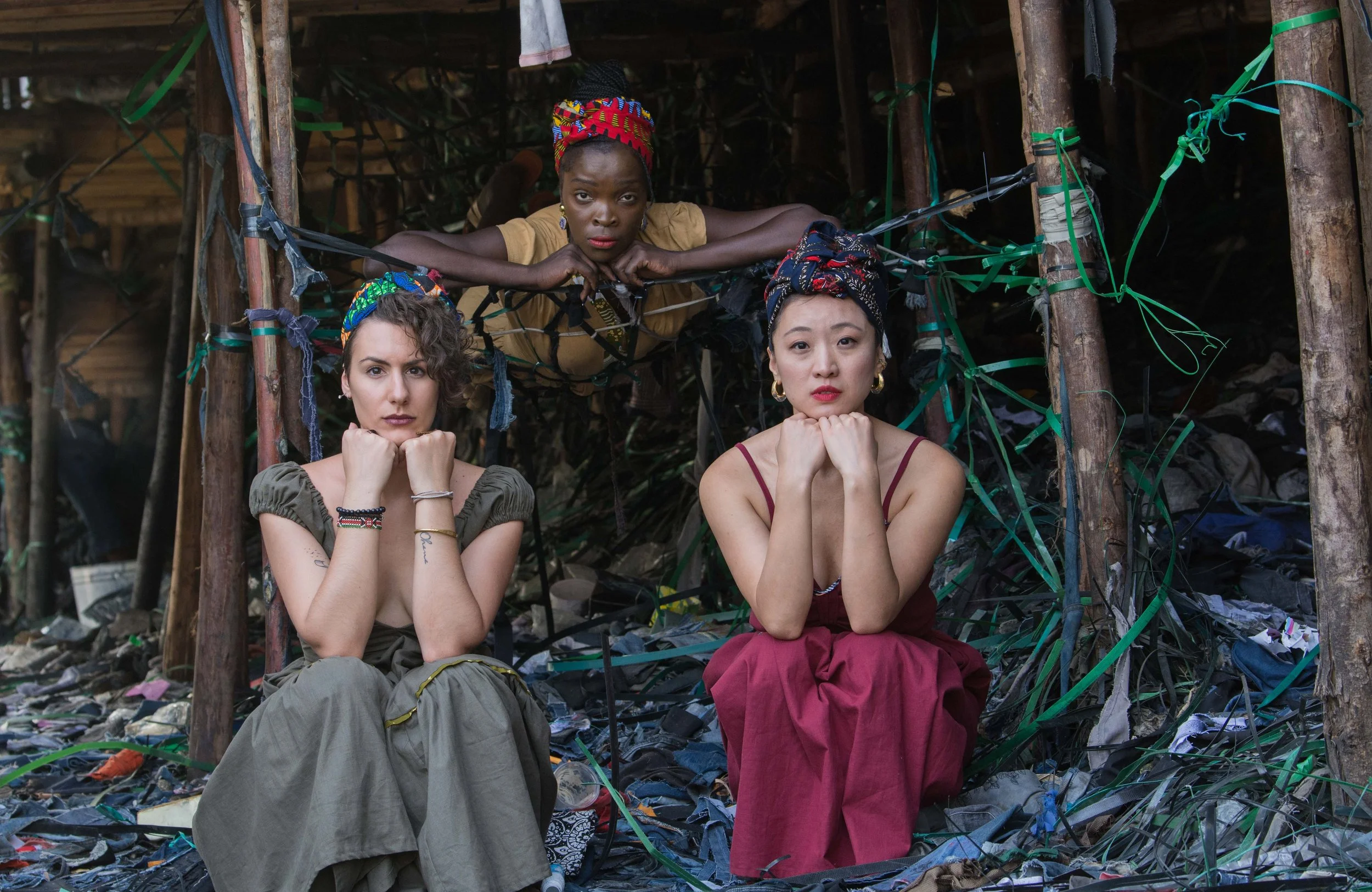
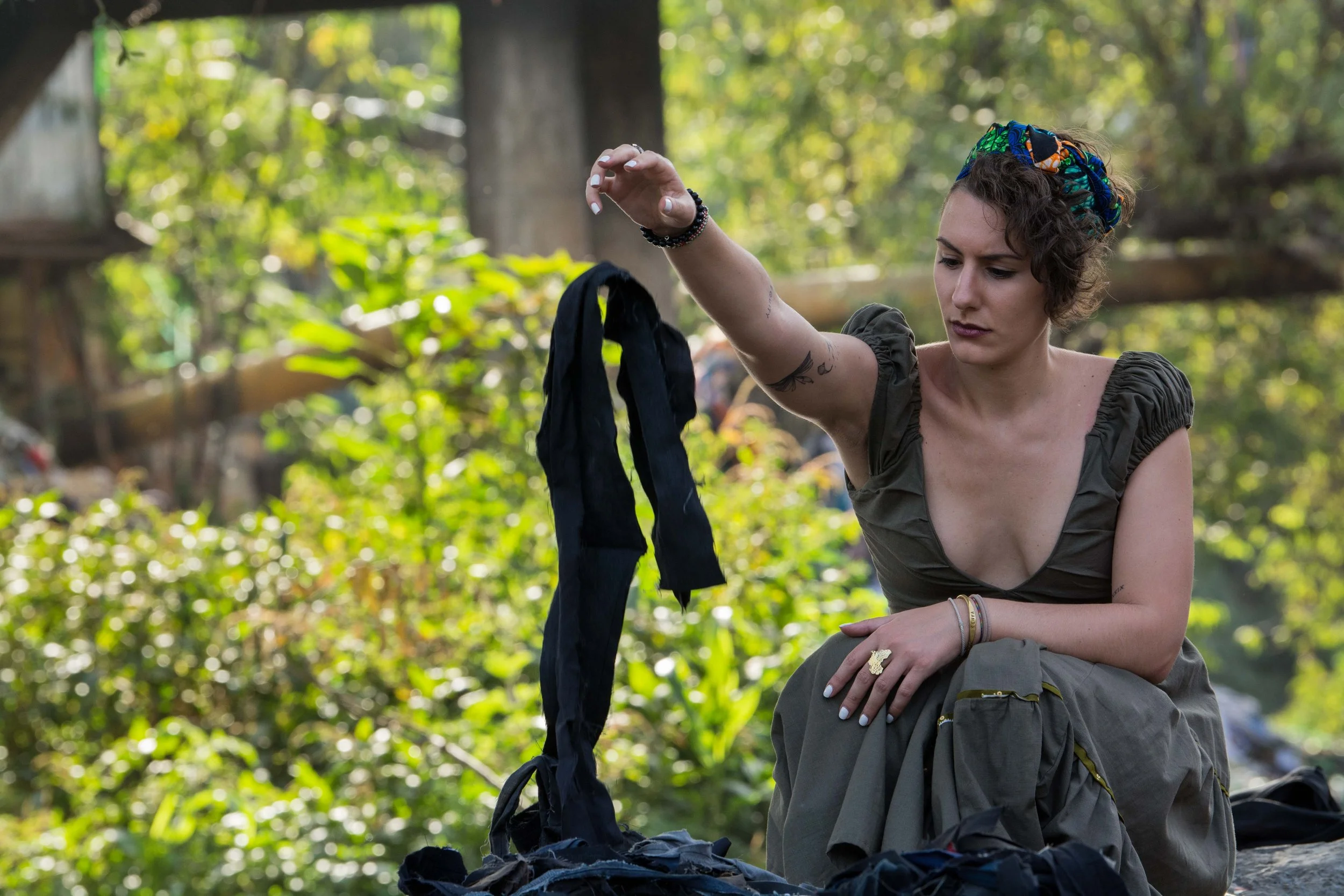
Unkara team visited Gikomba market, the largest second-hand clothes market in East Africa, the first time early 2023. What we saw there was heartbreaking…
We invited JM Photography to interpret Unkara’s sustainable philosophy.
Photographer
Julius Mwaura Kamau
Date
02/12/2023
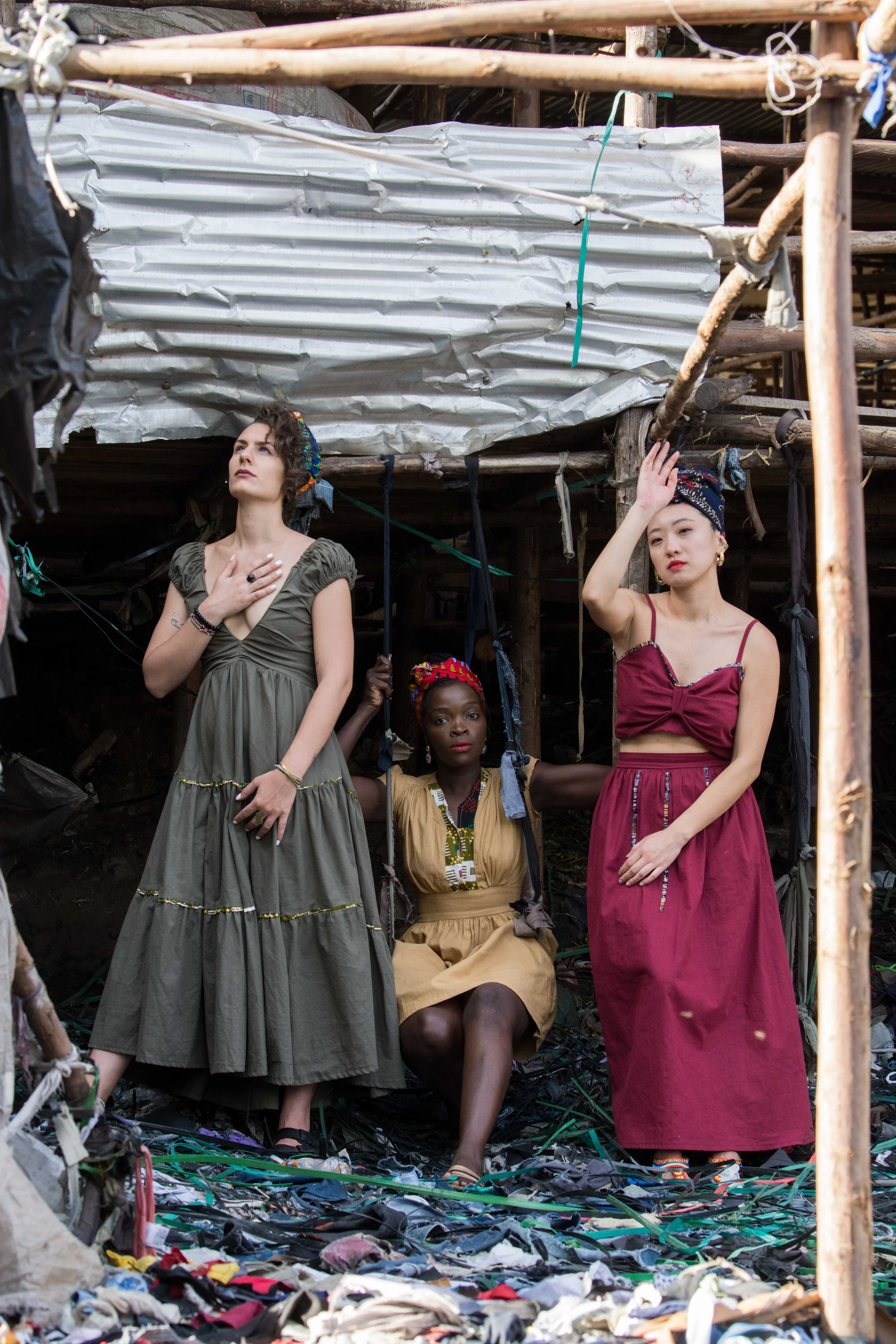
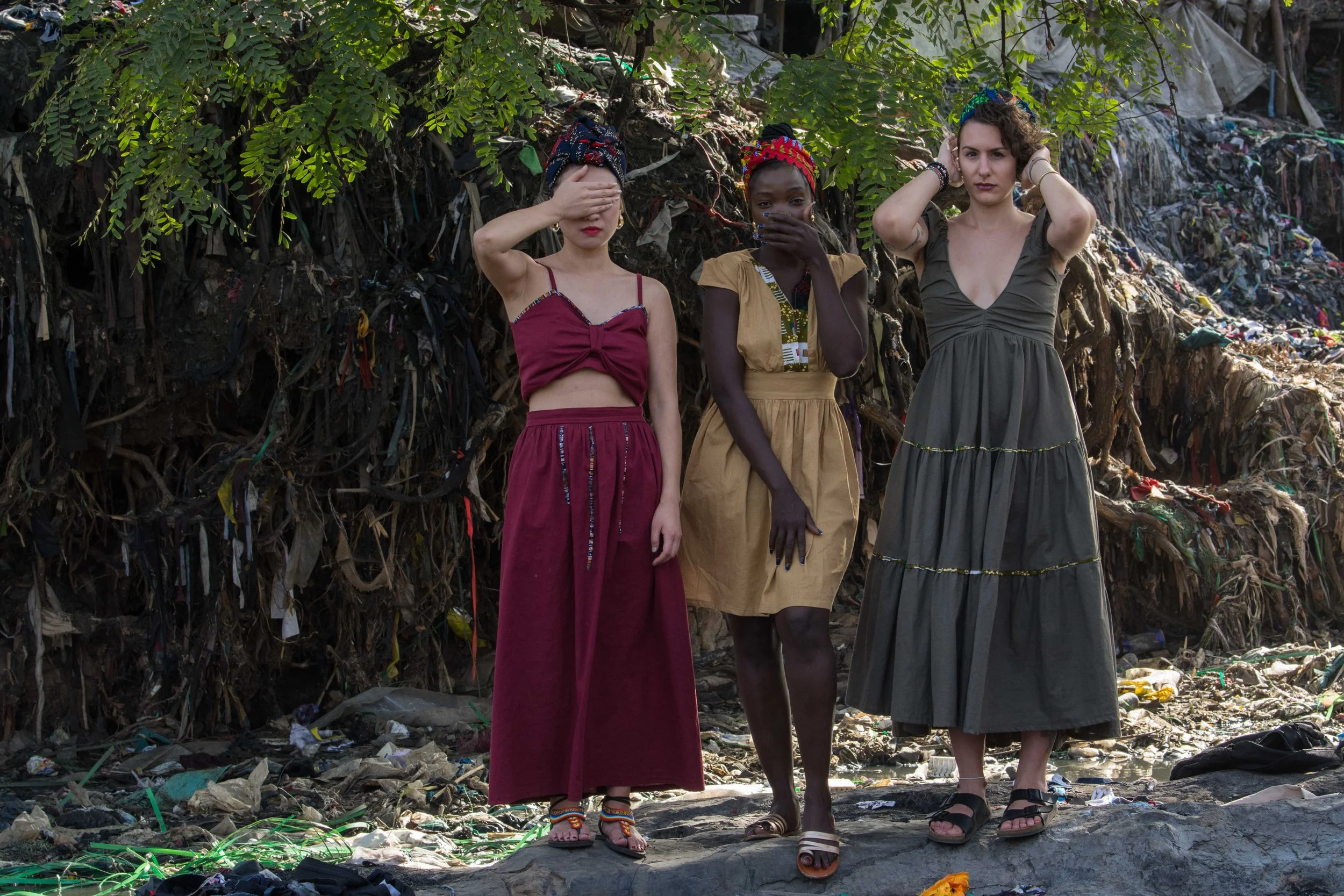
The environmental cost is substantial. According to the U.S. Environmental Protection Agency, 11.3 million U.S. tons of textiles went to landfills in the United States in 2018. Just 14.7% of textiles entering the municipal waste stream were recycled that year. The European Parliament estimates that textile production accounts for approximately 20% of global clean water pollution, mainly through dyeing. These impacts begin long before a garment reaches a store and continue after it leaves our wardrobes.
Donating unwanted clothing does not necessarily resolve the problem. Secondhand markets provide affordable clothing and support livelihoods in countries such as Ghana and Kenya. However, imported garments that cannot be resold or reused create waste management burdens for receiving communities. In Chile, discarded imported clothing has accumulated in open dumps in the Atacama Desert. These are distinct outcomes of the same global system: clothing moves across borders, while responsibility for its disposal often falls on communities far from its original consumers.
Unkara offers a different approach, built around thoughtful sourcing, skilled craftsmanship and longer use. Through field visits in Africa, we have worked to source fabrics locally and better understand the people and processes behind our products. Our goal is to take responsibility for the full life of each garment, from its materials to what happens when its owner no longer wants it.
Our pieces combine cotton or linen with Ankara, an African print fabric, and are designed for a range of ages, sizes and skin tones. Each garment is handmade at our designer’s workshop in Jericho Market. By producing to order, we prioritize craftsmanship over volume and reduce the need to hold unsold inventory.